Concrete Driveways for Your Home
Request an estimate for your driveway
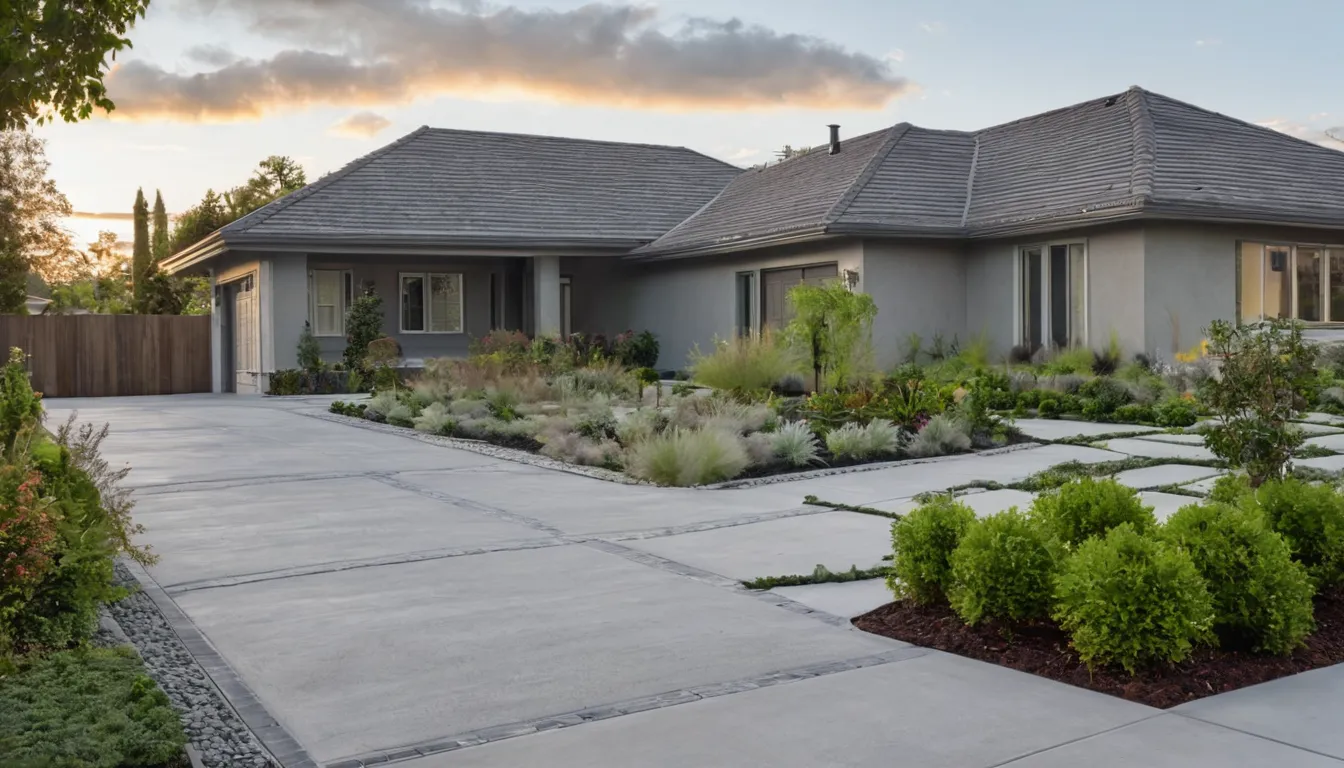
A new driveway starts with how you use the space. You may need room beside a parked car, a smoother entrance, or a different layout. Like arranging furniture, the plan should leave room to move. Dadrop Concrete helps homeowners in Largo connect with independent concrete providers and understand which questions to ask before choosing a project.
Providers in our network assess the ground, discuss drainage, and explain the proposed work. You can ask about surface texture, vehicle weight, removal of old concrete, and access during installation. The provider handles any work you agree to. Dadrop Concrete is a referral service and does not install concrete. Ask for a written scope so you can compare what each estimate includes before making a decision.
Need to replace a driveway you use daily?
Start by explaining what makes the project pressing. Perhaps vehicles cannot park safely, or a planned delivery needs a wider entrance. Include those details in your estimate request. Think of the driveway as your home's front hallway: work there changes how you get in and out. Ask a local provider about access before choosing a start date.
Decide whether replacement fits the problem
Concrete driveway repair may suit a limited problem, while widespread movement or a poor layout may prompt a replacement discussion. A site visit helps separate those choices. Like checking a worn shoe, the provider needs to look beneath the visible surface. This referral service focuses on new driveway projects and replacement, rather than requests for small repairs.
Show where stormwater collects
Tell the provider where puddles form during summer storms and whether water reaches the garage. Photos taken from a safe, dry spot can help. A driveway works a little like a draining board: its slope affects where water goes. The provider should assess nearby ground levels and propose a drainage route that meets local requirements.
Set boundaries around other concerns
Ask whether the proposed driveway work addresses the problem you have noticed. Movement near house walls may need a separate assessment from foundation repair experts. A driveway visit is like an appointment for one appliance: it does not cover every system in the house. Do not assume a new slab will solve movement in the home itself.
Make parking space match daily use
Describe the vehicles that use the driveway, including visiting trucks or a stored trailer. Consider doors opening, bins passing, and a walking route beside parked cars. Like placing chairs around a table, spacing matters after everything is in position. The provider can measure the site and discuss a layout within property limits and local rules.
Ask what supports the slab
Concrete flatwork depends on the ground beneath it. The provider should explain excavation, soil preparation, and any base material proposed for your site. Think of a table on uneven flooring: a firm top still needs steady support. Ask how soft spots or buried debris would be handled and whether unexpected ground work changes the quoted price.
Match thickness to vehicle loads
A driveway carrying passenger cars may need a different design from one used by heavy vehicles. Thickness, concrete strength, and reinforcement belong in that discussion. Like choosing a shelf for heavy books, the expected load matters. Let the provider explain the design for your ground conditions and use, then ask for those details in writing.
Choose texture with wet weather in mind
Ask to see finish samples and discuss traction when the surface is wet. A broom finish leaves texture, while decorative choices can change care needs and price. Compare samples as you would floor tiles, with attention to use as well as appearance. Photos of stamped concrete patios can suggest patterns, but driveway use needs its own assessment.
Check the entrance at the street
The apron is the section where your driveway meets the street. Changes there may involve separate rules, drainage details, or inspections. Think of it as a shared doorway between private and public space. Ask who checks permit needs and handles applications. If your home has an association or shared access, confirm its approval process before work begins.
Understand removal and site access
For replacement work, ask whether the estimate includes breaking up old concrete, hauling debris, and disposal. Discuss gates, overhead wires, irrigation, and space for equipment. Access is like moving a large sofa through a doorway: the route can affect the job. Leave demolition and digging to the provider, with utility locating arranged before ground disturbance.
Prepare what you can safely move
Homeowners can gather photos, note vehicle sizes, and move portable items once the provider explains the work boundary. Arrange parking elsewhere and keep children and pets away from the work area. Treat preparation like clearing a room before new flooring arrives. Ask before removing plants, moving irrigation, or changing soil levels, since those actions can affect the plan.
Compare written project details
An estimate should explain the area, preparation, slab design, finish, and cleanup included. Ask who performs the installation and how changes are priced. Compare the scope as you would a grocery receipt: check the items behind the total. Dadrop Concrete makes referrals; your chosen independent provider assesses the site and agrees the installation terms directly with you.
Discuss weather before setting dates
Frequent summer rain and high humidity can affect site preparation, pouring, and curing plans. Ask how the provider handles wet ground or a changing forecast. Scheduling concrete is like planning outdoor paintwork: conditions matter alongside the date. Keep parking arrangements flexible. Request a callback to check provider availability, or use the request form to describe your project.
Get clear instructions after the pour
Concrete gains strength through curing, which requires care after placement. A surface that looks dry is like bread browned outside before its center is ready. Follow the provider's instructions for walking, parking, and heavier loads. Ask about joint placement, cleaning, and any sealer care. Keep the written care sheet and contact the installing provider with questions about completed work.
What's Included
Layout Around Daily Parking
Discuss vehicle space and walking access with a provider, much like planning room around your furniture.
Ground Preparation Details
Ask about support beneath the slab, like checking the footing beneath a sturdy table.
Surface Finish Choices
Compare driveway textures like floor samples, with wet weather and everyday use in mind.
Written Scope Before Work
Review included work like a shopping list before agreeing to the provider's proposal.
What Could Your New Concrete Driveway Cost?
These typical U.S. ranges vary by job. Treat them like a rough shopping budget. Ask the provider for a written quote with preparation details.
| Item | Typical U.S. range | Notes |
|---|---|---|
| Standard to basic decorative installation | $6 to $15 per square foot | Preparation and finish affect price; confirm inclusions. |
| 400-square-foot new driveway | $2,400 to $6,000 | Illustrative installation total; excludes old concrete removal. |
| 600-square-foot new driveway | $3,600 to $9,000 | Illustrative installation total; site conditions affect the quote. |
| Old concrete removal and disposal | $3 to $8 per square foot | Access, thickness, and reinforcement affect removal costs. |
| 400-square-foot driveway replacement | $3,600 to $9,200 | Illustrative installation plus removal; added drainage costs vary. |
| 600-square-foot driveway replacement | $5,400 to $13,800 | Illustrative installation plus removal; confirm permits and other charges. |
How It Works
Describe Your Project
Share your driveway needs through the request form, like making a list before a visit.
Connect With A Local Provider
Dadrop Concrete passes your request to an independent provider, much like making a project introduction.
Walk Through The Options
Discuss the site and proposed work, like reviewing a route before a journey.
Agree On Written Details
Review the provider's scope like an order summary before agreeing to installation and payment terms.
Why Call Dadrop Concrete
Understand Each Proposed Choice
Use plain project questions like a checklist when discussing layout and materials with a local provider.
Clear Roles
Dadrop Concrete is a referral service, like an introduction; the independent provider agrees and performs installation.
Useful Preparation
Separate tasks you can handle from equipment work, like clearing a room before a flooring installer arrives.
Comparable Details
Read written scopes like itemized receipts, then ask providers about anything left unclear.
Other Services
Need concrete driveways in Largo?
Describe your driveway or patio plans. Dadrop Concrete can help connect your request with a local provider who can discuss the site and an estimate.
No obligationConcrete Driveways FAQ
How do I get an estimate for a concrete driveway in Largo?
Submit your project details through the request form. Dadrop Concrete connects requests with independent local providers. Like measuring before buying flooring, a site assessment helps the provider prepare a written quote based on your driveway's size and conditions.
Can I prepare the ground for my concrete driveway myself?
You can move portable belongings and arrange parking after discussing access with the provider. Ground preparation is like setting a table's legs: mistakes affect everything above. Leave excavation, compaction, and concrete placement to the provider handling installation.
When can I park on a new concrete driveway?
Ask the installing provider for written parking instructions based on the concrete, weather, and vehicle weight. Like baked food that needs time to set, concrete needs time after placement. A dry-looking surface does not establish vehicle readiness.
Reach a local provider
Describe your driveway or patio plans. Dadrop Concrete can help connect your request with a local provider who can discuss the site and an estimate.
No obligation